
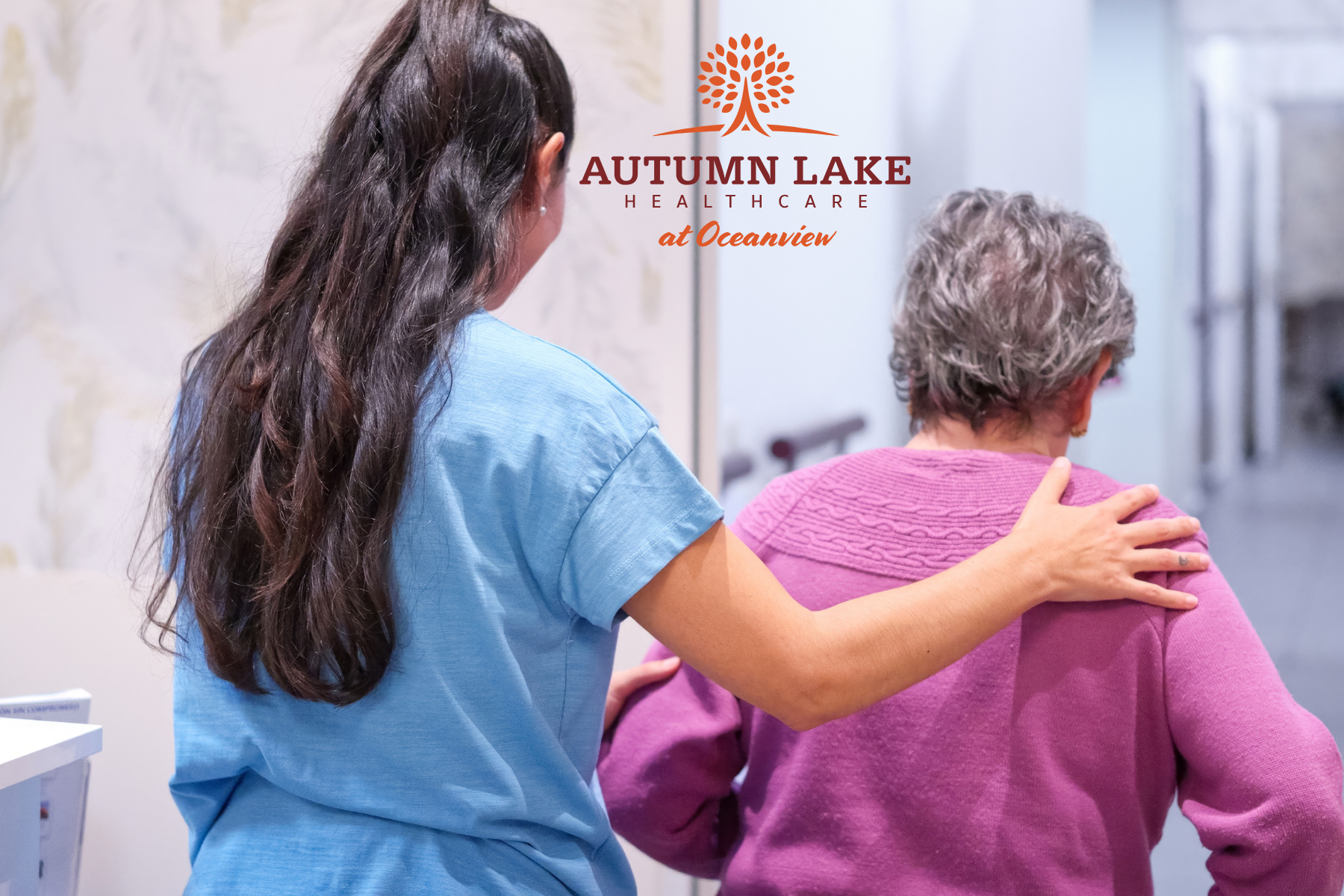
The primary difference between custodial care and skilled nursing is the level of medical necessity required by the resident. Custodial care involves non-medical assistance with activities of daily living (ADLs) like bathing and dressing, typically provided in an assisted living setting, whereas skilled nursing care provides 24/7 clinical treatment and monitoring by licensed medical professionals for complex health conditions or rehabilitation.
At a Glance: Comparison of Care Levels
Navigating senior support options is often confusing due to overlapping terminology. To help families evaluate nursing homes in Oceanview, NJ, the following table clarifies the technical distinctions between residential support and clinical intervention.
| Feature | Custodial Care (Assisted Living) | Skilled Nursing Care (Nursing Home) |
| Medical Oversight | Periodic wellness checks | 24/7 Clinical supervision |
| Primary Staff | Caregivers & Med Techs | Registered Nurses (RNs) & LPNs |
| Primary Goal | Lifestyle maintenance | Medical recovery or stabilization |
| Common Services | Help with grooming & meals | Wound care, IV therapy, Dialysis |
| Insurance Coverage | Primarily Private Pay | Medicare, Medicaid, & Private Pay |
Defining Care Specifications
Determining the right environment starts with identifying the specific “deliverables” a senior requires. When visiting a care center in Oceanview, NJ, you will find that placement hinges on these three criteria:
- Activities of Daily Living (ADLs): These are fundamental self-care tasks. If a senior can no longer manage bathing, dressing, or “transferring” (moving from a bed to a chair) independently, they require custodial care.
- Medical Complexity: This refers to “Skilled” intervention, treatments that must be performed by a licensed nurse, such as sterile dressing changes or complex medication titration.
- Rehabilitative Needs: If a senior is recovering from a major surgery or stroke, they typically transition to a rehabilitation center in Oceanview, NJ, where physical and occupational therapy are part of the daily clinical routine.
Key Differences in Service Delivery
The Scope of Medical Necessity
Custodial care is essentially “assistance with living.” It is designed for seniors who are medically stable but may have cognitive impairments or physical frailties that make living alone a safety risk. In contrast, skilled nursing is a clinical model. It is prescriptive, meaning a physician oversees a plan of care involving active medical monitoring. For those seeking a nursing home and rehabilitation center in Oceanview, NJ, the focus is on high-acuity needs that assisted living is not licensed to manage.
Staffing Qualifications
In an assisted living in Oceanview, NJ, the staff consists primarily of Certified Nursing Assistants (CNAs). While they are experts in personal care, they generally do not perform medical procedures. A nursing home requires a 24/7 presence of Registered Nurses (RNs) and Licensed Practical Nurses (LPNs). This ensures that if a medical emergency occurs, clinical intervention is immediate.
Our Approach: The Autumn Lake Standard
At Autumn Lake Healthcare at Oceanview, our team ensures residents stay comfortable year-round, providing compassionate support, engaging activities, and quality services for both short-term rehab and long-term care. We bridge the gap between clinical necessity and residential comfort by offering:
- Gourmet Dining: Meals are prepared by our very own culinary chef under the direction of a registered dietician.
- Spacious Accommodations: We offer private and semi-private rooms with complimentary cable and WiFi.
- On-site Amenities: Residents have access to a private courtyard and garden, a full-service beauty salon, and spacious lounges.
- Daily Support: We manage the details with daily housekeeping and laundry services, allowing residents to focus on wellness.
Debunking the “Nursing Home” Umbrella Myth
A common industry misconception is that all senior facilities are “nursing homes.” This myth is misleading; assisted living is a social-model community where residents maintain significant independence. Conversely, a skilled nursing facility is a clinical-model environment. Misidentifying these can lead to improper placement, either placing someone in a facility that cannot meet their medical needs or over-serving someone who simply needs help with chores.
Financial Considerations and Coverage
One of the most significant differences is how these services are funded. Custodial care is rarely covered by Medicare. Most families utilize private pay or long-term care insurance. Because skilled nursing is medical in nature, it is often covered by Medicare for a limited period following a hospital stay. We strive to ease this burden: we accept Medicare, Medicaid, most insurances, and private pay.
Frequently Asked Questions
Does Medicare pay for assisted living?
No. Medicare is designed for acute medical care and short-term rehab. It does not cover the room and board or custodial costs of assisted living.
What is the “3-day rule” for skilled nursing?
To have skilled nursing covered by Medicare, a patient must typically have a qualifying hospital stay of at least three consecutive days as an inpatient.
Can you receive both custodial and skilled care?
Yes. Residents in skilled nursing facilities receive both medical treatments for their condition and custodial help with their daily routine.
To Sum Up
Choosing between custodial care and skilled nursing is about matching a resident’s health status with the right level of intervention. At Autumn Lake Healthcare at Oceanview, we provide a sanctuary of healing and a community of care.
Ready to find the right path for your family? Visit us to schedule a tour or discuss our specialized care programs.